The demand for skilled engineers is growing faster than universities can supply them. Senior engineering leaders frequently tell us that onboarding fresh graduates takes significant time because many lack the practical, hands-on experience required to contribute immediately. I recently wrote an article for Electronic Specifier exploring how industry-academia collaboration can bridge this gap.
In the piece, titled “The Intersection of Technology and Education: How Red Pitaya Collaborates with Universities to Train the Next Generation of Engineers,” I discuss why closing the engineering skills gap requires pairing deep theoretical knowledge with real-world, hands-on experimentation.
I highlight several key ways we are accelerating this shift:
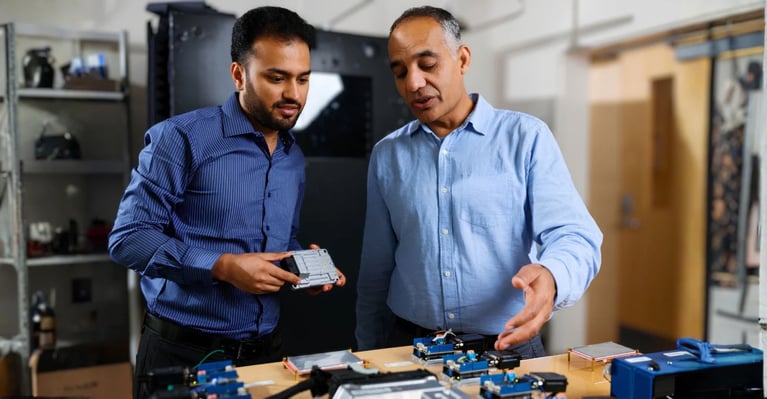
- Academic Partnerships: Working directly with universities worldwide—including the Technical University of Munich (TUM), UC San Diego (UCSD), and Southern Methodist University (SMU)—to integrate open-source instrumentation into engineering curricula and hackathons.
- Spin-offs & Research Acceleration: Supporting academic teams taking ultra-precise timing measurements and laser-control projects from university lab prototypes to commercial spin-offs in quantum optics and high-speed communications.
- Professional Upskilling: Beyond degree programs, running initiatives like our FPGA Course for Scientists to equip working researchers with practical programmable hardware skills.
Our commitment to hands-on learning was recently recognized with a Gold Learning Technologies Award at the Learning Awards 2025. Providing students and researchers with flexible, open platforms early in their careers is the single best way to accelerate real-world innovation.
Read the full article in Electronic Specifier here.
Frequently Asked Questions: Engineering Education & University Partnerships
1. How do Red Pitaya university partnerships help close the engineering skills gap?
A: Red Pitaya collaborates with global universities—such as TUM, UC San Diego, and SMU—to integrate hands-on, open-source FPGA hardware into curricula, hackathons, and research labs. This gives students real-world troubleshooting experience so they can contribute to industrial engineering teams immediately upon graduation.
2. How does Red Pitaya support university spin-offs and academic research?
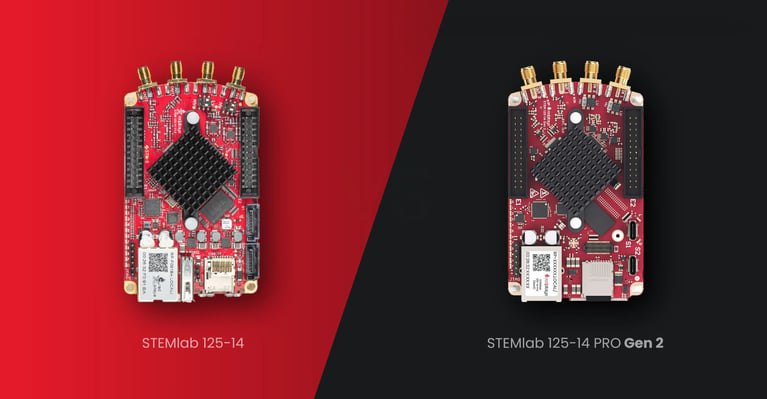
A: Red Pitaya STEMlab boards provide high-precision timing, laser control, and fast data acquisition in a compact, low-cost unit. This allows research teams to prototype advanced applications in quantum optics and high-speed communications, accelerating the transition from lab projects into commercial spin-offs.
3. What educational awards has Red Pitaya received for its learning initiatives?
A: Red Pitaya won the Gold Award in Learning Technologies at the Learning Awards 2025, following its Academic Support Award in 2022, recognizing its measurable impact on technology-driven education and industry-academia collaboration.


 October 20, 2026

