If open-source software has driven innovation across every major industry—from Linux powering the internet to RISC-V disrupting semiconductors—why should electronic hardware be any different? I recently authored an opinion piece for Electronic Specifier’s Embedded World issue examining this exact shift.
In the article, titled “Will the Next Valuable Electronics Companies Be Open-Source?”, I discuss how proprietary, closed hardware ecosystems are becoming a strategic risk. When companies rely on black-box systems, supply chain disruptions, rising costs, and vendor lock-in quickly leave products vulnerable to obsolescence.
I look at how open platforms are proving that open-source hardware is not just for DIY enthusiasts—it is essential industrial infrastructure:
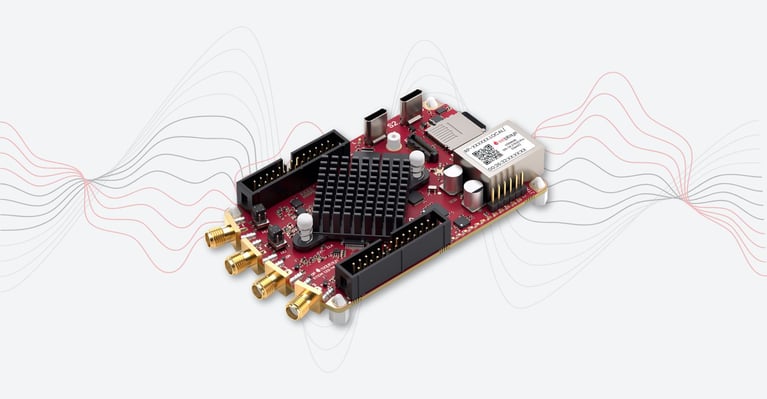
- Scaling Beyond Hobbyist Origins: How ecosystems like Red Pitaya, Raspberry Pi, and Arduino give businesses, research labs, and engineers accessible, adaptable tools to replace expensive closed instrumentation.
- Discrepancies in Security: Why transparency creates stronger systems through the "many eyes" approach—where global developer communities continuously test and improve open code far faster than closed, proprietary models.
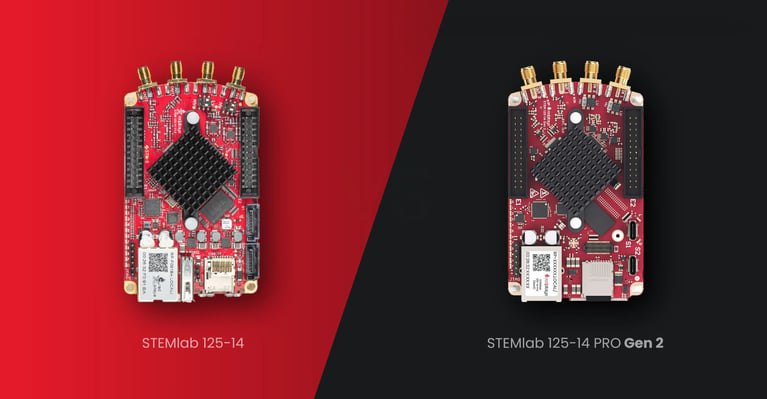
- Real-World Institutional Reliance: Why top institutions and enterprises—such as NASA, CERN, MIT, Bosch, and Siemens—rely on open-access, software-defined platforms like Red Pitaya STEMlab for high-speed RF testing, LIDAR, and industrial automation.
Adopting open-source hardware is no longer a philosophical preference—it is a long-term strategy for operational resilience and innovation.
Read the full piece in Electronic Specifier here.